

In an increasingly digital world, where our lives are intertwined with the internet, the threat of cyberattacks lurks around every corner. From personal emails to online banking, our sensitive information is constantly at risk from hackers looking to exploit vulnerabilities. As the frequency and sophistication of these attacks rise, so does the importance of taking proactive steps to protect ourselves online. One of the most effective measures you can take is to use a Virtual Private Network, or VPN. This technology not only adds a layer of security but also helps ensure that your online activities remain private and safeguarded from prying eyes.
So, how does a VPN protect you against hackers and enhance your online security? By encrypting your internet connection and masking your IP address, a VPN creates a secure tunnel for your data, making it significantly harder for cybercriminals to intercept your information. This article will explore the various ways a VPN can protect you from online threats, why it is essential when using public WiFi, and how it helps you maintain your privacy in a digital landscape where being tracked has become the norm. Understanding the role of a VPN in safeguarding your online presence is crucial, and it could make all the difference in keeping your personal information safe.
Understanding VPNs
A Virtual Private Network, or VPN, is a service that creates a secure and encrypted connection between your device and the internet. By routing your internet traffic through a remote server operated by the VPN provider, your online activities become more private and secure. This technology is particularly valuable in protecting sensitive data from being accessed by hackers and other malicious actors.
One of the key features of a VPN is its ability to mask your IP address, which helps maintain your anonymity while browsing online. When your IP address is hidden, it becomes more difficult for hackers to track your online activities or identify your physical location. This added layer of privacy is crucial, especially when connected to untrusted networks, such as public WiFi hotspots, where the risk of hacking is heightened.
In addition to masking your IP address, VPNs employ strong encryption protocols to safeguard your data. This encryption makes it nearly impossible for hackers to intercept and decipher the information being transmitted over the internet. As a result, using a VPN can significantly reduce the risk of your personal information being compromised, making it an essential tool for anyone looking to enhance their online security.
How VPNs Work
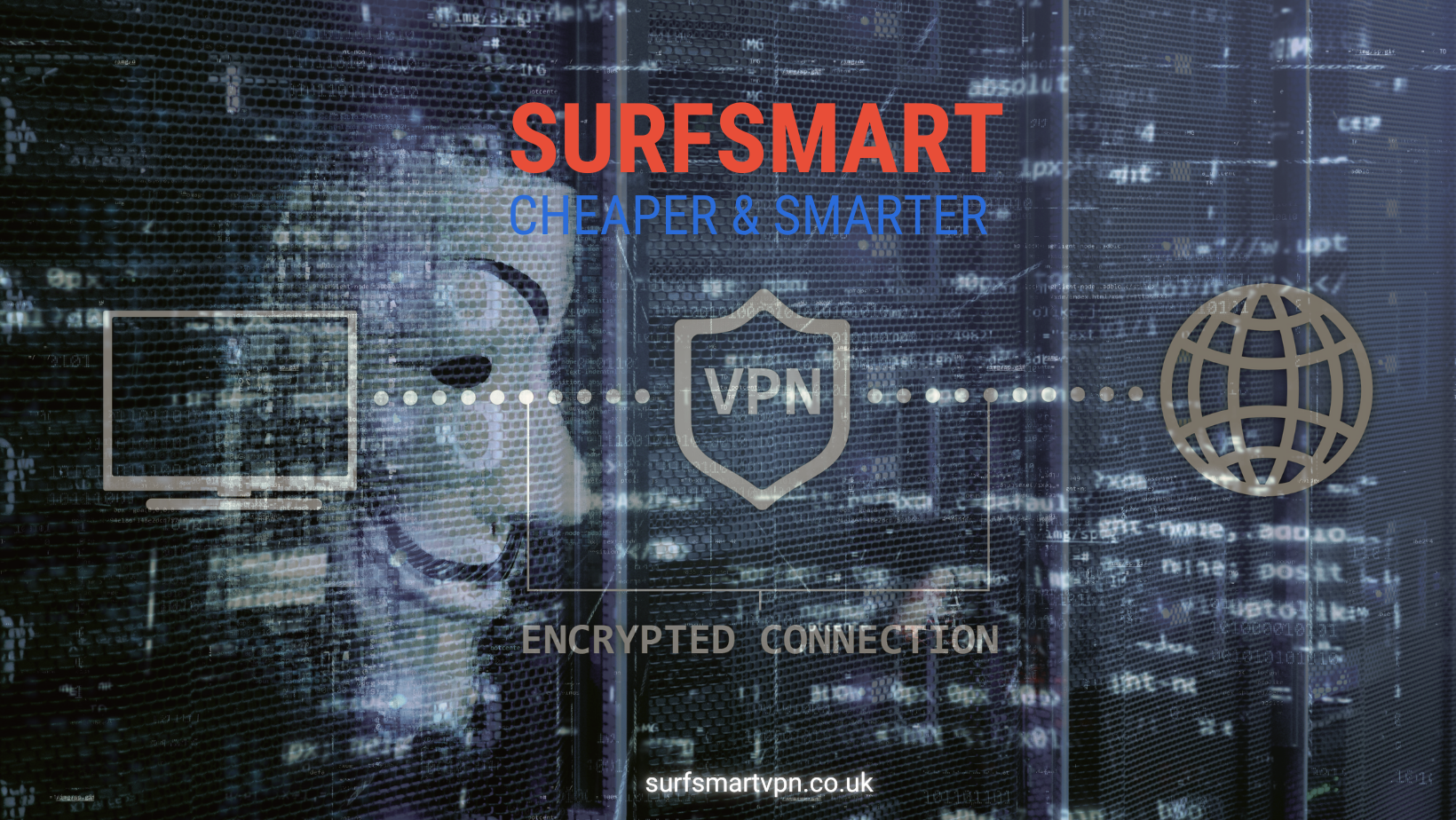
VPNs, or Virtual Private Networks, operate by creating a secure tunnel between your device and the internet. When you connect to a VPN, it routes your internet traffic through a remote server operated by the VPN provider. This process masks your real IP address, effectively hiding your identity and location from potential hackers and other online threats. The encrypted connection ensures that any data transmitted is kept private, making it much more difficult for malicious actors to intercept or access your information.
To establish this secure connection, VPNs use a variety of encryption protocols. These protocols convert your data into an unreadable format before it leaves your device, meaning that even if a hacker were to intercept the data, they would find it nearly impossible to decipher. Common encryption standards include OpenVPN and L2TP/IPsec, which provide robust protection against eavesdropping. By utilizing these sophisticated encryption techniques, VPNs enhance your online security significantly.
Moreover, when you access websites through a VPN, your requests are sent to the VPN server first, which then forwards them to the intended destination. This extra layer of anonymity makes tracking your online activities more challenging for both hackers and advertisers. Additionally, this process helps in avoiding ISP throttling, enabling a smoother online experience. Overall, the mechanisms by which VPNs operate are vital for ensuring both privacy and security in an increasingly vulnerable online environment.
Common Myths About VPNs
One common myth about VPNs is that they provide complete anonymity online. While a VPN does help mask your IP address and encrypt your internet connection, it does not make you completely invisible. Activities conducted online can still be traced back to you through other means, such as cookies or accounts logged in to websites. Users should understand that while a VPN enhances privacy, it is not a cure-all for online anonymity.
Another prevalent misconception is that all VPNs are equally secure. In reality, the level of encryption, data logging policies, and overall security measures differ significantly between providers. Some VPNs may keep logs of user activity or employ weak encryption protocols, which can expose users to risks rather than mitigate them. Thus, choosing a reputable VPN with a strong track record is crucial for protection against hackers.
Lastly, many believe that using a VPN alone is sufficient for complete online safety. However, this idea overlooks the importance of practicing safe browsing habits. While a VPN protects your connection, it does not prevent phishing attacks, malware infections, or social engineering scams. For optimal security, users should combine a reliable VPN with good cybersecurity practices, such as using strong passwords and being cautious about the links they click.
VPNs and Hacker Protection
Choosing a VPN is essential for maintaining your online security, especially against the threats posed by hackers. A good VPN creates a secure tunnel for your internet traffic, effectively keeping your personal information safe from prying eyes. This is crucial when you consider how vulnerable unprotected networks can be. With cybercriminals constantly looking for weaknesses, using a VPN forms a formidable barrier that reduces your risk of exposure.
VPNs enhance your security through encryption, which scrambles your data so that even if it is intercepted, it remains unreadable. This makes it significantly more challenging for hackers to access sensitive information like passwords, financial data, or personal correspondence. Additionally, many VPNs employ advanced security protocols that not only encrypt data but also help protect against malware and phishing attempts, adding an extra layer of defense in your online activities.
When using public WiFi, the risks of hacking increase dramatically. VPNs are invaluable in these situations, as they secure your connection by masking your IP address and routing your traffic through secure servers. This makes it nearly impossible for hackers to track your online activity or access your personal information. Therefore, including a reliable VPN in your security toolkit is vital for safer browsing and significantly minimizes the chances of falling victim to cyber threats.
Choosing the Right VPN
Selecting the right VPN is essential for ensuring robust online security. Look for a provider that offers strong encryption standards, such as AES-256, to protect your data from hacker interception. Additionally, consider the VPN's logging policy; a no-logs policy ensures that your online activities remain private. Research user reviews and expert opinions to gauge the reliability and performance of various VPN services.
Another important factor is the VPN's ability to secure connections on public WiFi networks. Since public WiFi is often a hotspot for hackers, a reliable VPN should have features like automatic kill switches and DNS leak protection to further safeguard your personal information. Make sure the VPN offers these features to reduce the risk of data breaches while using unsecured WiFi.
Lastly, consider the provider's reputation in the industry. A reputable VPN service is more likely to invest in advanced security measures and respond effectively to emerging cyber threats. Look for options that provide good customer support and a money-back guarantee, allowing you to test the service and ensure it meets your security needs before committing to a long-term plan.
VPN Features for Security
A reliable VPN offers a range of features specifically designed to enhance your online security. One of the key features is strong encryption, which transforms your data into a code that is nearly impossible for hackers to decipher. This encryption works as a shield, safeguarding sensitive information such as passwords and personal details from prying eyes as it travels over the internet. High-quality VPNs utilize advanced encryption protocols, ensuring that even if your data is intercepted, it remains unreadable to anyone without the appropriate decryption key.
Additionally, many VPN services come equipped with a kill switch. This feature acts as a safety net, ensuring that your internet connection is automatically severed if the VPN connection drops unexpectedly. This prevents your true IP address and online activity from being exposed, even momentarily. Beyond that, reputable VPN providers also implement DNS leak protection, which ensures that all of your DNS queries go through the secure VPN tunnel instead of being exposed to your ISP, further locking down your privacy and security.
Furthermore, regular security audits and a strict no-logs policy are critical features that enhance trust in a VPN. A no-logs policy means that the VPN provider does not store any information about your online activities, making it impossible for anyone, including hackers or government agencies, to trace your activities back to you. Security audits conducted by independent third parties can verify the effectiveness of a VPN's security measures, ensuring that the service you choose continually meets high standards of data protection.
Limitations of VPNs
While VPNs offer significant advantages in enhancing online security, they are not a foolproof solution. One major limitation is that a VPN cannot protect against all types of cyber threats. For example, if a user falls victim to phishing attacks or downloads malware, a VPN will not prevent these security breaches. Users must remain vigilant and practice safe browsing habits, as a VPN primarily encrypts data in transit but does not provide comprehensive malware protection.
Another important consideration is that not all VPN providers offer the same level of security. Some may use weak encryption methods or have poor privacy policies, which can expose users to risks rather than mitigate them. It is crucial to choose a reputable and trustworthy VPN service, as using a subpar provider can inadvertently lead to data leaks or other vulnerabilities. Users should research and verify the credibility of the VPN service they choose.
Additionally, a VPN may introduce latency and reduce connection speeds due to the added encryption layers and routing of traffic through remote servers. This can affect the user experience, particularly during activities such as streaming or online gaming. While many people use VPNs for privacy and security, they should be aware of these limitations and balance the benefits with potential drawbacks.

VPNs vs. Other Security Measures
While Virtual Private Networks (VPNs) offer robust protection, they are not a standalone solution for online security. Combining a VPN with other security measures creates a comprehensive defense against hackers. For instance, using strong, unique passwords along with two-factor authentication can significantly enhance your account security. These additional layers ensure that even if a hacker did gain some access, they would still face multiple barriers before reaching your personal information.
Antivirus software is another critical component when considering online safety. While a VPN encrypts your internet traffic and helps hide your IP address, it does not eliminate the threat posed by malware or phishing attacks. Antivirus programs provide real-time protection against malicious software and can detect and remove threats that could compromise your device. Using both a VPN and antivirus software minimizes the chances of being hacked and protects your data from various angles.
Finally, regular software updates and good browsing habits also play essential roles in online security. A VPN can secure your connection, but vulnerabilities can still exist if your software is outdated. By keeping your operating system and applications updated, you protect against known exploits. Additionally, being cautious when clicking on links or downloading files enhances your safety. Therefore, while VPNs are a vital tool in protection against hackers, they work best when integrated with a broader security strategy that includes multiple preventive measures.
Real-World VPN Examples
When considering the effectiveness of VPNs against hackers, it's important to look at real-world applications. For instance, companies like NordVPN and ExpressVPN have established themselves as leaders in the industry by offering strong encryption protocols and robust security features. Their encryption technology ensures that any data transmitted over the internet is scrambled, making it extremely challenging for hackers to intercept sensitive information. This level of protection is essential for individuals and businesses concerned about data breaches and cyber threats.
Another noteworthy example is ProtonVPN, which emphasizes privacy and security. does VPN protect against hackers utilizes advanced security measures, including secure core servers that route your internet traffic through multiple locations before reaching the final destination. This method adds an extra layer of anonymity and protection against geographic-based attacks. Users connecting to public WiFi networks can particularly benefit from such a setup, as it significantly reduces the risk of hackers accessing their personal information in high-risk environments.
Lastly, CyberGhost VPN offers features tailored for safe browsing and online privacy. Its user-friendly interface and dedicated profiles for streaming or torrenting ensure that users can protect themselves in various online activities. The inclusion of ad blockers and malware protection further enhances its ability to shield users from malicious content. By adopting a reputable VPN like CyberGhost, users can feel more secure while navigating the internet, making smart choices to safeguard their online presence from cyber attackers.
Conclusion: The Importance of VPNs
In an increasingly connected world, the threats posed by hackers are becoming more sophisticated and prevalent. Utilizing a VPN is a critical step in safeguarding your online presence. By encrypting your data and masking your IP address, a VPN serves as a protective barrier against cybercriminals looking to intercept your personal information or track your online activities.
Moreover, the use of a reputable VPN service is especially vital when accessing public WiFi networks, which are notorious for their lack of security. Hackers often exploit these networks to launch attacks or steal sensitive data. A VPN mitigates these risks, providing users with a secure connection that renders their data unreadable to potential intruders.
In conclusion, the importance of VPNs cannot be overstated in the quest for online safety and privacy. By choosing the right VPN and combining it with strong security habits, individuals can significantly reduce their vulnerability to hacking attempts. As the digital landscape continues to evolve, so should the protective measures taken to shield personal information from those who seek to exploit it.